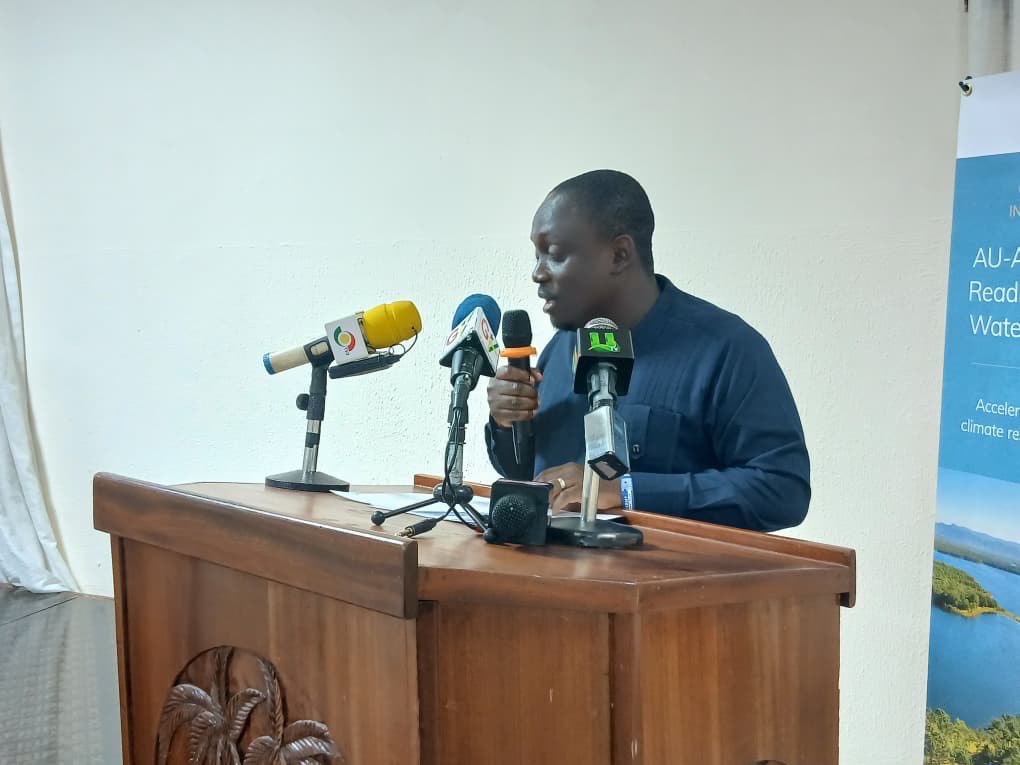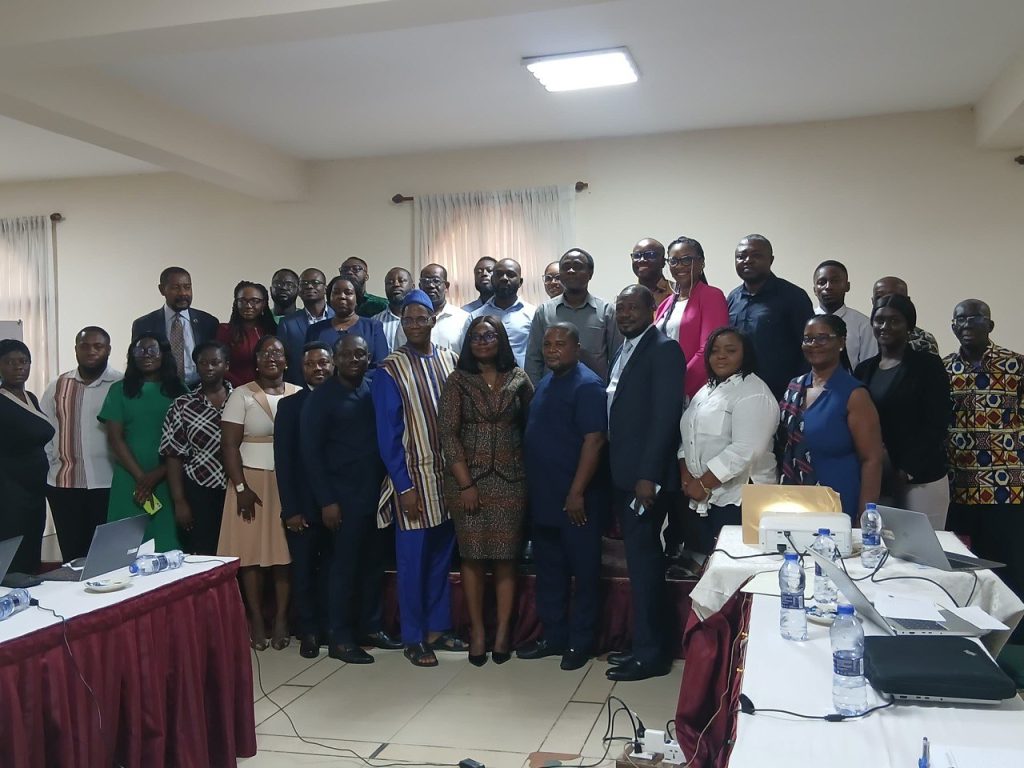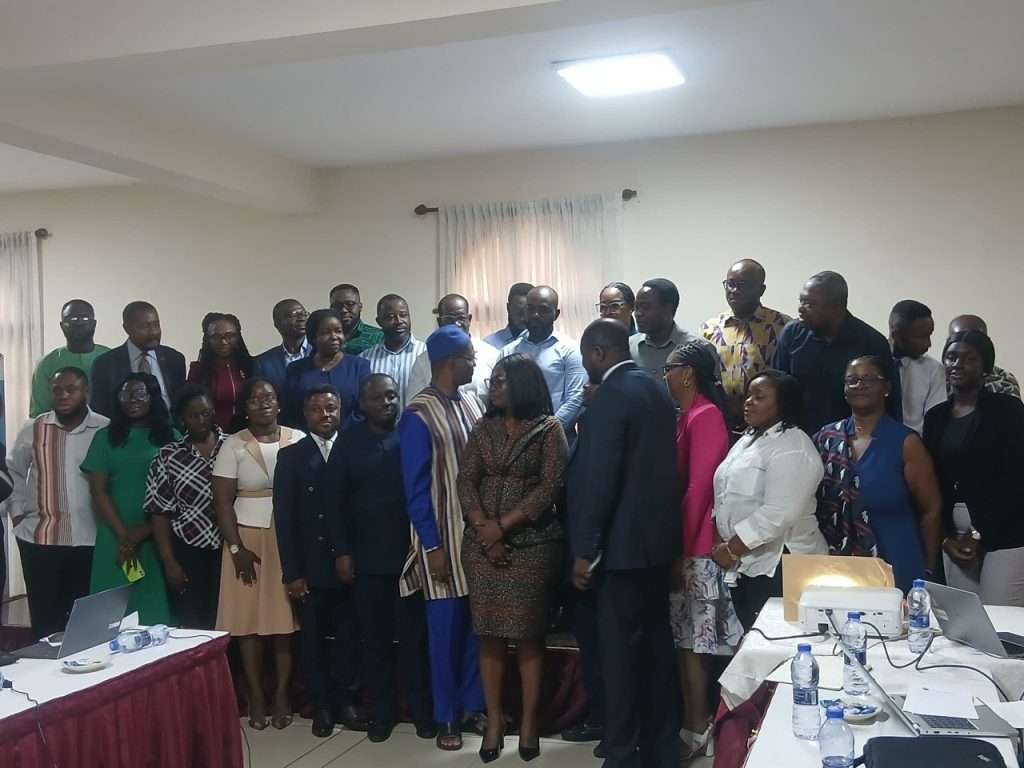
Ghana has launched a $600,000 Green Climate Fund (GCF) Readiness Programme under the Continental Africa Water Investment Programme to strengthen its ability to mobilise climate finance and develop bankable, climate-resilient water projects.
The initiative is part of a multi-country programme funded by the Green Climate Fund and implemented by the African Union Commission in collaboration with Global Water Partnership Southern Africa and the Global Water Partnership Africa Coordination Unit. Ghana is among 15 first-phase African countries participating in the programme.
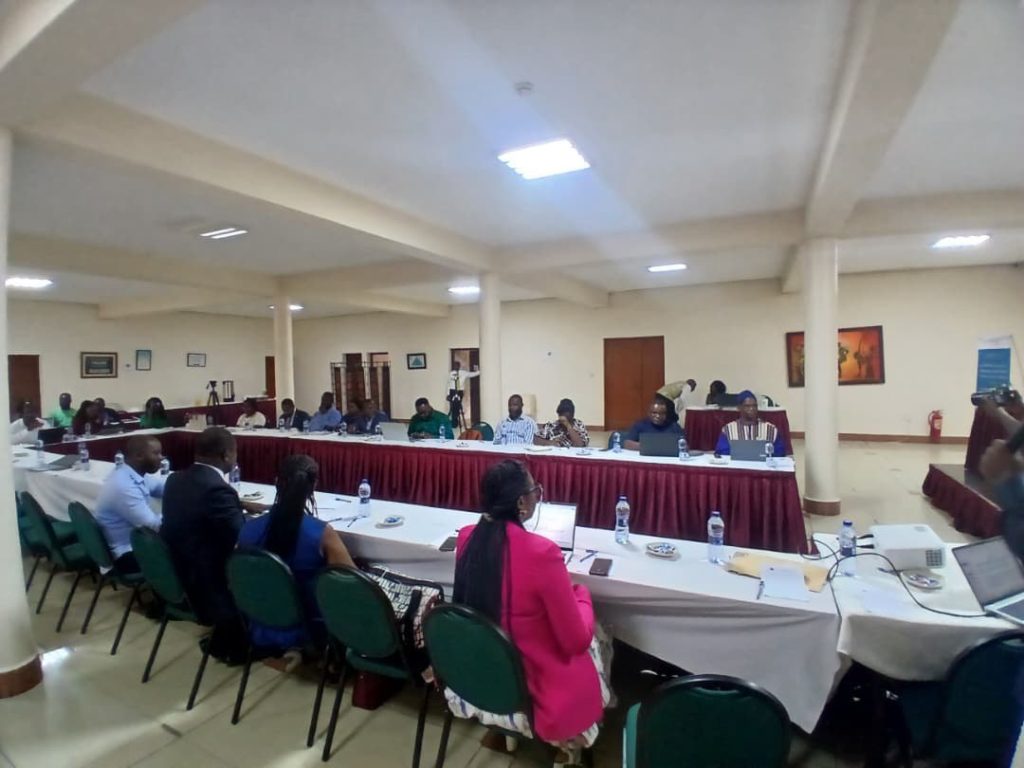
At the launch and validation workshop in Accra, stakeholders from government, development partners, civil society, academia and the private sector reviewed findings from a Readiness Needs Assessment on climate-resilient water investments.
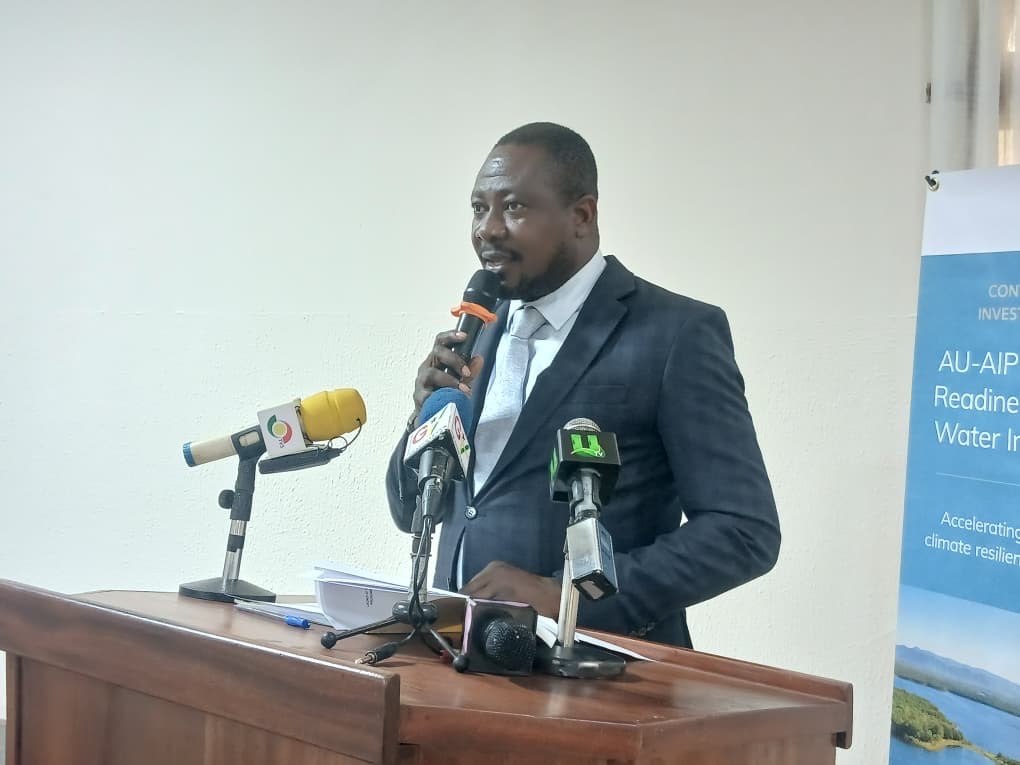
Speaking on behalf of the Minister for Works, Housing and Water Resources, Mr. Kenneth Gilbert Adjei, climate change is already affecting Ghana through erratic rainfall, droughts, floods, coastal erosion and watershed degradation, threatening water security, food production, energy supply, public health and livelihoods.
Although Ghana has established key frameworks, including its National Climate Change Policy, Nationally Determined Contributions and ongoing National Adaptation Plan, institutional and financing gaps persist. The assessment identified weaknesses in project preparation, safeguards compliance, climate finance programming and inter-agency coordination among the National Designated Authority, potential Direct Access Entities and other implementing bodies.
The programme will culminate in a comprehensive Water Investment Programme to guide medium- and long-term priorities, align projects with national climate commitments, promote integrated water resources management, and scale up climate-resilient infrastructure and nature-based solutions.
Representing the Finance Ministry, Chief Economic Officer Mr. Benjamin Torsah-Klu reaffirmed the government’s commitment to strengthening water security and climate resilience, citing revised national water policies and updated climate commitments as key frameworks for sustainable resource management.
Officials noted that Ghana’s water sector faces persistent challenges, including urban–rural access disparities, low sanitation coverage, aging infrastructure and high non-revenue water losses. With public funding insufficient to meet growing demand, they stressed the need for well-structured projects capable of attracting concessional and blended climate finance.
Participants called for stronger coordination among ministries, local authorities, regulators and development partners to ensure inclusive planning, robust safeguards and measurable climate adaptation outcomes.
The GCF Readiness Programme is expected to enhance institutional capacity, refine financing strategies and build a credible pipeline of climate-resilient water projects, positioning Ghana to access climate finance at scale.